


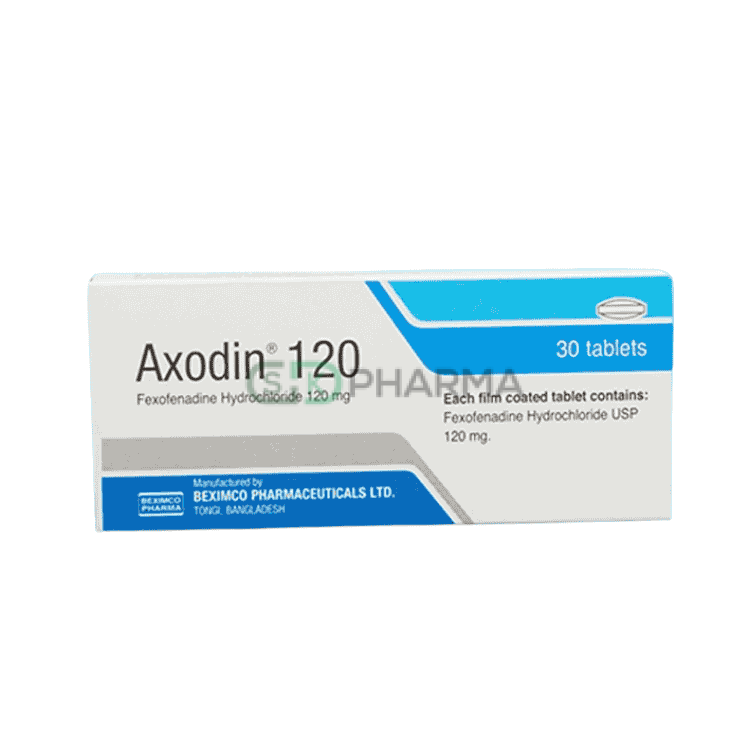
Axodin Tablet 120 mg (Fexofenadine Hydrochloride)
-
 ৳5.64
৳5.64৳6.00 -
৳8.46
৳9.00 -
৳32.90
৳35.00 -
৳9.26
৳10.07


Reviews & Ratings
Axodin Tablet 120 mg is indicated for the relief of symptoms associated with seasonal and perennial allergic rhinitis in adults and children aged 12 years and above. It effectively alleviates sneezing, rhinorrhea (runny nose), nasal and throat itching, lacrimation (watery eyes), and itchy, red eyes. Regular use helps improve daily functioning, work or activity productivity, and overall health-related quality of life.
Chronic Idiopathic Urticaria
Axodin 120 mg is also recommended for the treatment of chronic idiopathic urticaria (chronic hives) in adults and children aged 12 years and older. It significantly reduces the number of wheals and relieves pruritus (itching), leading to better comfort and improved quality of life.
রেজিস্টার্ড চিকিৎসকের পরামর্শ অনুযায়ী ঔষধ সেবন করুন
Therapeutic Class
Non-sedating antihistamines
Pharmacology
Axodin Tablet 120 mg contains Fexofenadine Hydrochloride, a selective peripheral H1-receptor antagonist. After oral administration, fexofenadine is rapidly absorbed, reaching peak plasma concentration within 2 to 3 hours. It does not significantly cross the blood-brain barrier, which explains its minimal sedative effect compared to first-generation antihistamines.
Dosage and Administration
Allergic Rhinitis
-
Adults and children ≥12 years:
60 mg twice daily or 120 mg once daily or 180 mg once daily
Renal impairment: 60 mg once daily -
Children 6–11 years:
Tablet: 30 mg twice daily or 60 mg once daily
Renal impairment: 30 mg once daily -
Children 2–11 years:
Suspension: 30 mg (5 ml) twice daily
Renal impairment: 30 mg (5 ml) once daily
Chronic Idiopathic Urticaria
-
Adults and children ≥12 years:
60 mg twice daily or 120 mg once daily or 180 mg once daily
Renal impairment: 60 mg once daily -
Children 6–11 years:
Tablet: 30 mg twice daily or 60 mg once daily
Renal impairment: 30 mg once daily -
Children 6 months–<2 years:
Suspension: 15 mg (2.5 ml) twice daily
Renal impairment: 15 mg (2.5 ml) once daily -
Children 2–11 years:
Suspension: 30 mg (5 ml) twice daily
Renal impairment: 30 mg (5 ml) once daily
Drug Interactions
Fexofenadine does not undergo hepatic biotransformation, reducing the likelihood of liver-based drug interactions. Co-administration with erythromycin or ketoconazole may increase plasma fexofenadine levels, without clinically significant cardiac effects. Antacids containing aluminum or magnesium hydroxide may reduce absorption; a two-hour interval between dosing is recommended.
Contraindications
Axodin 120 mg is contraindicated in patients with known hypersensitivity to fexofenadine or any of its components.
Side Effects
Commonly reported side effects include headache, fatigue, dizziness, and nausea, with a frequency similar to placebo. Rare post-marketing reactions include hypersensitivity reactions (angioedema, anaphylaxis), palpitations, tachycardia, sleep disturbances, and skin reactions such as rash or urticaria.
Pregnancy and Lactation
Axodin 120 mg is classified as Pregnancy Category C. Its use during pregnancy or lactation is not recommended unless the potential benefit justifies the possible risk to the fetus or infant.
রেজিস্টার্ড চিকিৎসকের পরামর্শ অনুযায়ী ঔষধ সেবন করুন
Precautions and Warnings
Caution is advised in elderly patients and those with renal impairment. Patients with cardiovascular disease should be informed about the rare risk of palpitations. Although unlikely to impair alertness, individual response should be assessed before driving or operating machinery.
Overdose
Symptoms of overdose may include dizziness, drowsiness, dry mouth, and fatigue. Supportive and symptomatic treatment is recommended, as hemodialysis is ineffective in removing fexofenadine.
Storage Conditions
Store in a cool, dry place away from heat and light. Keep out of reach of children.
Mode of Action
Fexofenadine acts as an inverse agonist at H1 histamine receptors, preventing histamine-mediated allergic responses such as itching, rhinorrhea, and watery eyes. Its inability to cross the blood-brain barrier minimizes central nervous system effects.
Related Products

Panodin SR Tablet 600 mg (Etodolac)

Reglutide Injection 1.34 mg/ml (Semaglutide)

Ecoren VT Vaginal Tablet 150 mg (Econazole Nitrate)

Daprosis Tablet 4 mg (Daprodustat)
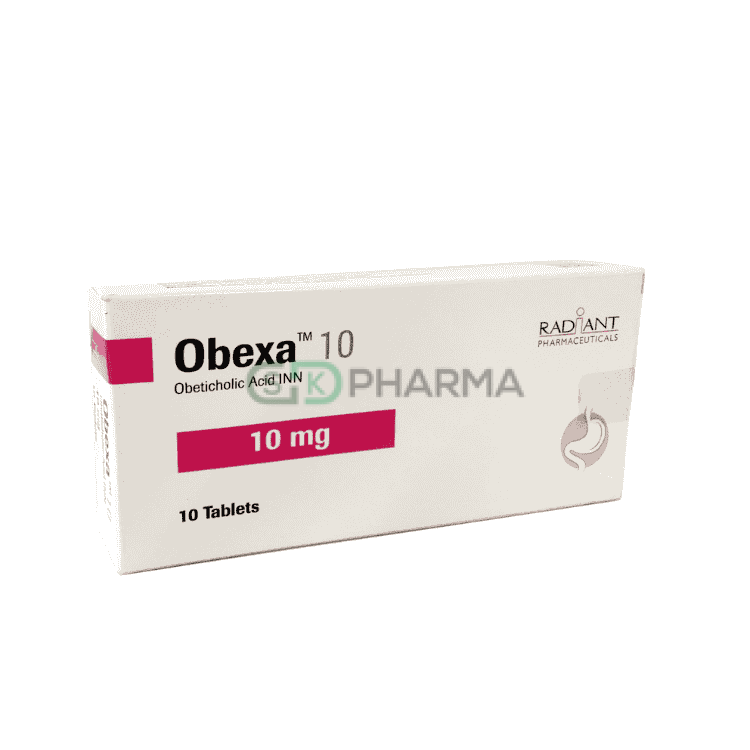
Obexa Tablet 10 mg (Obeticholic Acid)

Voxamin Tablet 50 mg (Fluvoxamine Maleate)
Trinon Cream 0.03% (Tretinoin (Topical))

Zithrin Injection 500 mg/vial (Azithromycin Dihydrate)
Kinexa Tablet 20 mg (Rivaroxaban)
Product Queries (0)
Login Or Registerto submit your questions to seller
Other Questions
No none asked to seller yet
-
৳5.64
৳6.00 -
৳8.46
৳9.00 -
৳32.90
৳35.00 -
৳9.26
৳10.07


