


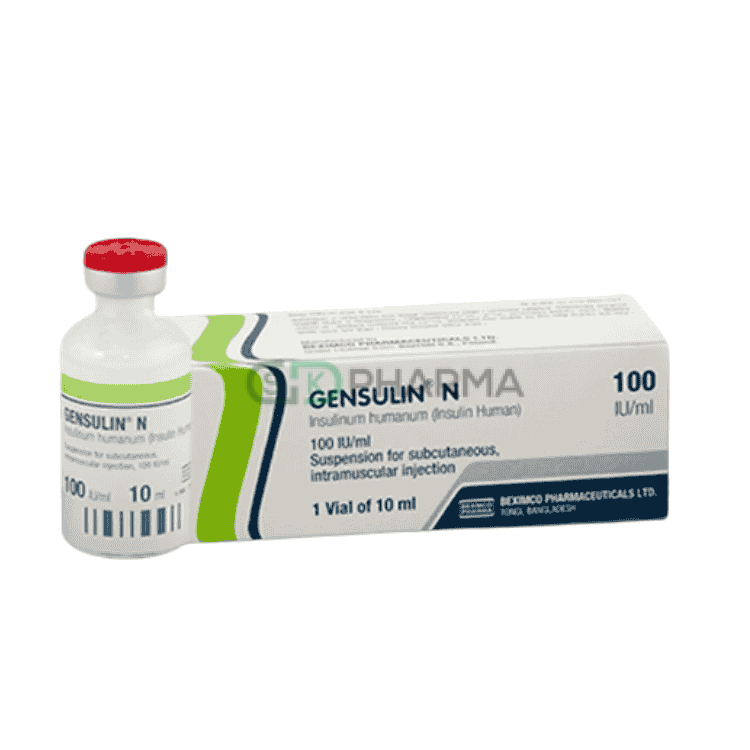
Gensulin N Injection 100 IU/ml (Insulin Human [rDNA])
-
 ৳5.64
৳5.64৳6.00 -
৳8.46
৳9.00 -
৳32.90
৳35.00 -
৳9.26
৳10.07


Reviews & Ratings
Gensulin N Injection 100 IU/ml contains Insulin Human [rDNA] (Isophane/NPH insulin), an intermediate-acting human insulin used for the effective management of diabetes mellitus. It is produced using recombinant DNA technology and is designed to provide sustained basal insulin coverage, helping patients maintain stable blood glucose levels throughout the day and night. Gensulin N is administered by subcutaneous injection under medical supervision.
রেজিস্টার্ড চিকিৎসকের পরামর্শ অনুযায়ী ঔষধ সেবন করুন
Composition
-
Active Ingredient: Insulin Human [rDNA] (Isophane/NPH)
-
Strength: 100 IU/ml
Therapeutic Class
-
Antidiabetic agent
-
Intermediate-acting human insulin
Indications
Gensulin N Injection is indicated for:
-
Type 1 diabetes mellitus
-
Type 2 diabetes mellitus when insulin therapy is required
-
Use as basal insulin in combination with short-acting or rapid-acting insulin preparations
It is suitable for patients who need prolonged glucose control between meals and overnight.
Mechanism of Action
Gensulin N contains isophane insulin, which has an intermediate onset and duration of action. After subcutaneous injection, insulin facilitates the uptake of glucose into muscle and adipose tissues and inhibits hepatic glucose production. The addition of protamine in NPH insulin slows absorption, resulting in a delayed onset and extended duration of action. This helps maintain basal insulin levels and reduces fluctuations in blood glucose.
Dosage and Administration
-
Gensulin N is administered by subcutaneous injection, typically once or twice daily, as prescribed by a healthcare professional.
-
Dosage is individualized based on blood glucose monitoring, lifestyle, diet, and patient response.
-
Injection sites should be rotated to minimize the risk of lipodystrophy.
-
Before use, the suspension should be gently mixed by rolling the vial or pen between the hands.
It should not be administered intravenously.
Use in Special Populations
-
Elderly Patients: Increased risk of hypoglycemia; careful dose adjustment is advised.
-
Renal or Hepatic Impairment: Insulin requirements may be reduced; close monitoring is necessary.
-
Pregnancy and Lactation: Insulin is the preferred treatment for diabetes during pregnancy and breastfeeding when clinically indicated.
Side Effects
The most common adverse effect of insulin therapy is hypoglycemia, which may manifest as sweating, tremors, dizziness, hunger, palpitations, or confusion. Other possible side effects include:
-
Weight gain
-
Injection site reactions
-
Lipodystrophy with repeated use at the same site
-
Rare systemic allergic reactions
Patient education on hypoglycemia recognition and management is essential.
Drug Interactions
Certain medications may alter insulin requirements, including:
-
Oral antidiabetic agents
-
Corticosteroids
-
Thyroid hormones
-
Beta-blockers and diuretics
Blood glucose levels should be monitored closely when such drugs are used concurrently.
Storage
-
Store in a refrigerator at 2°C–8°C
-
Do not freeze
-
Protect from direct light
-
Keep out of reach of children
Advantages of Gensulin N Injection
-
Provides sustained basal insulin control
-
Manufactured using recombinant DNA technology
-
Suitable for combination insulin regimens
-
Proven effectiveness in long-term diabetes management.
Related Products
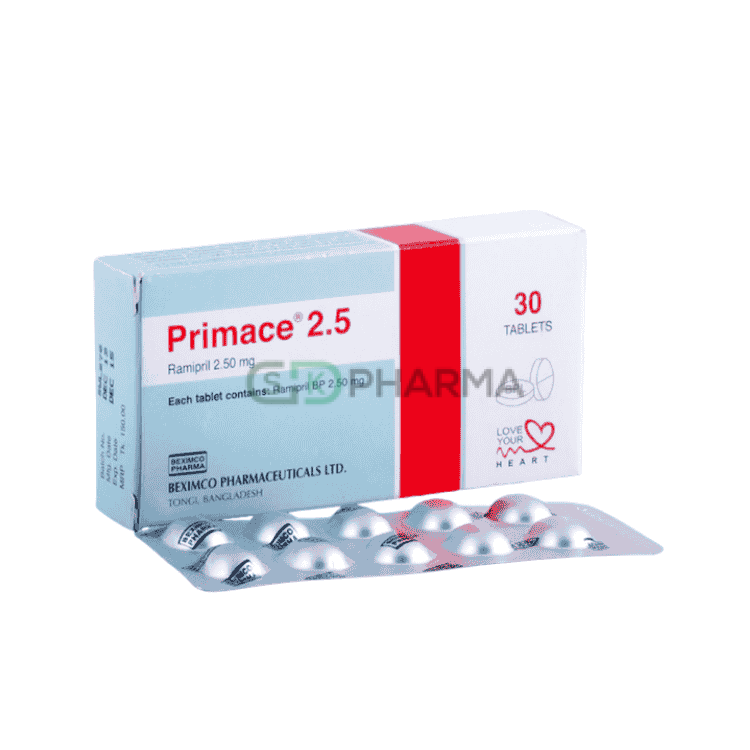
Primace Tablet 2.5 mg (Ramipril)

Armoda Tablet 150 mg (Armodafinil)

Alertadin Tablet 5 mg (Desloratadine)

Vomiren Tablet 0.5 mg (Palonosetron)
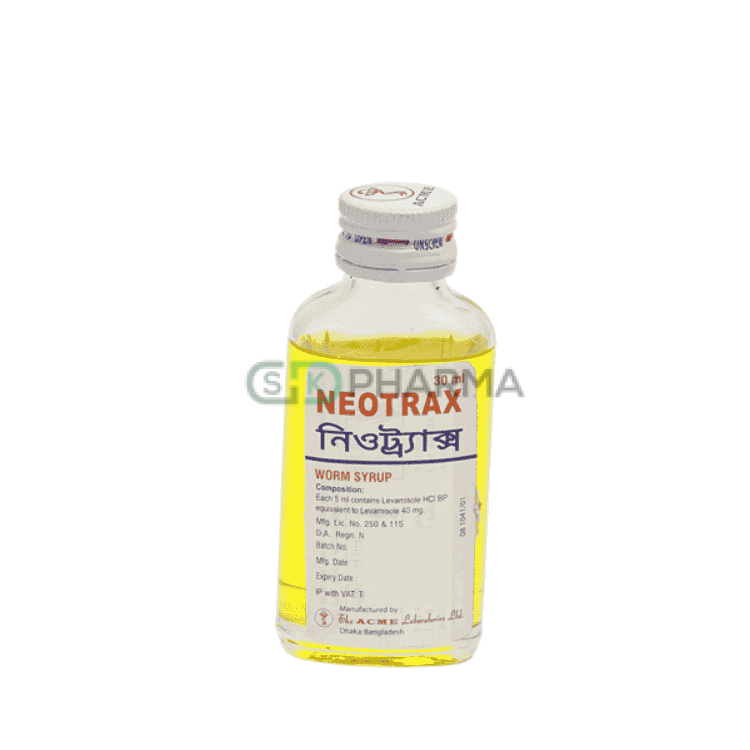
Neotrax Syrup 40 mg/5 ml (Levamisole Hydrochloride)

Raditrend Tablet 6.25 mg (Carvedilol)
![Pentasa Microgranules 1 gm/sachet (Mesalazine [5-aminosalicylic acid])](https://mail.skpharma.com.bd/public/uploads/all/ouDo57y7yEz0EyNLm3Ar4vhostvjQugnUcF6cb4e.png)


Oxima Inhalation Capsule 75 mcg (Indacaterol Maleate)

Product Queries (0)
Login Or Registerto submit your questions to seller
Other Questions
No none asked to seller yet
-
৳5.64
৳6.00 -
৳8.46
৳9.00 -
৳32.90
৳35.00 -
৳9.26
৳10.07


