


Opton Capsule 40 mg (Esomeprazole)
-
 ৳5.64
৳5.64৳6.00 -
৳8.46
৳9.00 -
৳32.90
৳35.00 -
৳9.26
৳10.07


Reviews & Ratings
Opton 40 mg contains Esomeprazole, a proton pump inhibitor (PPI) that effectively reduces gastric acid secretion. Esomeprazole is the S-isomer of omeprazole and provides improved and sustained acid control compared to racemic proton pump inhibitors. Opton 40 mg is widely used in the treatment of acid-related gastrointestinal disorders, helping relieve symptoms, promote mucosal healing, and prevent disease recurrence.
Esomeprazole works by selectively inhibiting the H⁺/K⁺-ATPase enzyme (proton pump) in gastric parietal cells. This enzyme is the final step in acid production, and its inhibition leads to a marked reduction in basal and stimulated gastric acid secretion. By lowering gastric acidity, Opton 40 mg creates a favorable environment for ulcer healing and symptom relief.
রেজিস্টার্ড চিকিৎসকের পরামর্শ অনুযায়ী ঔষধ সেবন করুন
Indications
Opton 40 mg is indicated for the treatment of:
-
Gastroesophageal reflux disease (GERD), including persistent heartburn and related symptoms
-
Erosive esophagitis, including healing and maintenance of healing
-
Eradication of Helicobacter pylori infection in patients with duodenal ulcer disease (in combination with amoxicillin and clarithromycin)
-
Zollinger–Ellison syndrome and other pathological hypersecretory conditions
-
Duodenal and gastric ulcers associated with acid dyspepsia
Therapeutic Class
-
Proton Pump Inhibitor (PPI)
-
Anti-ulcer Agent
Dosage and Administration
Oral Therapy:
-
Healing of erosive esophagitis: 20–40 mg once daily for 4–8 weeks
-
Maintenance of healing: 20 mg once daily
-
Symptomatic GERD: 20 mg once daily for 4 weeks
-
H. pylori eradication (triple therapy):
-
Esomeprazole 40 mg once daily
-
Amoxicillin 1000 mg twice daily
-
Clarithromycin 500 mg twice daily for 10 days
-
-
Zollinger–Ellison syndrome: 20–80 mg once daily, adjusted individually
-
Duodenal ulcer: 20 mg once daily for 2–4 weeks
-
Gastric ulcer: 20–40 mg once daily for 4–8 weeks
Injection:
-
40 mg once daily by slow intravenous injection (minimum 3 minutes) or infusion (10–30 minutes)
Opton 40 mg should be taken at least one hour before meals and swallowed whole. For patients with swallowing difficulties, capsule contents may be mixed with soft, cold applesauce and consumed immediately without chewing.
Pharmacology
Esomeprazole is absorbed from the intestine, with peak plasma concentrations occurring approximately 1.5 hours after oral administration. Repeated dosing increases systemic bioavailability to approximately 90%. The drug is highly protein-bound (97%) and extensively metabolized in the liver via CYP2C19 and CYP3A4 enzymes. Metabolites are inactive and primarily excreted in urine and feces.
রেজিস্টার্ড চিকিৎসকের পরামর্শ অনুযায়ী ঔষধ সেবন করুন
Drug Interactions
Esomeprazole may reduce the absorption of drugs dependent on gastric pH, such as ketoconazole, iron salts, and digoxin. It may affect the metabolism of drugs processed by CYP2C19, including diazepam. Clinically significant interactions with amoxicillin, clarithromycin, phenytoin, warfarin, and oral contraceptives are unlikely.
Contraindications
-
Known hypersensitivity to esomeprazole or any component of the formulation
Adverse Effects
Common adverse effects include headache, diarrhea, nausea, abdominal pain, constipation, flatulence, and dry mouth. Long-term safety profiles are similar to short-term use.
Precautions and Warnings
Symptomatic improvement does not exclude the possibility of gastric malignancy. Long-term use should be monitored carefully. Antacids may be used concurrently if needed.
Storage Conditions
Store below 30°C in a dry place, protected from light and moisture. Keep out of reach of children.
Related Products

Valoate CR Tablet 500 mg (Sodium Valproate)

Cefamax Capsule 200 mg (Ceftibuten Dihydrate)

Avloquin Syrup 50 mg/5 ml (Chloroquine Phosphate)
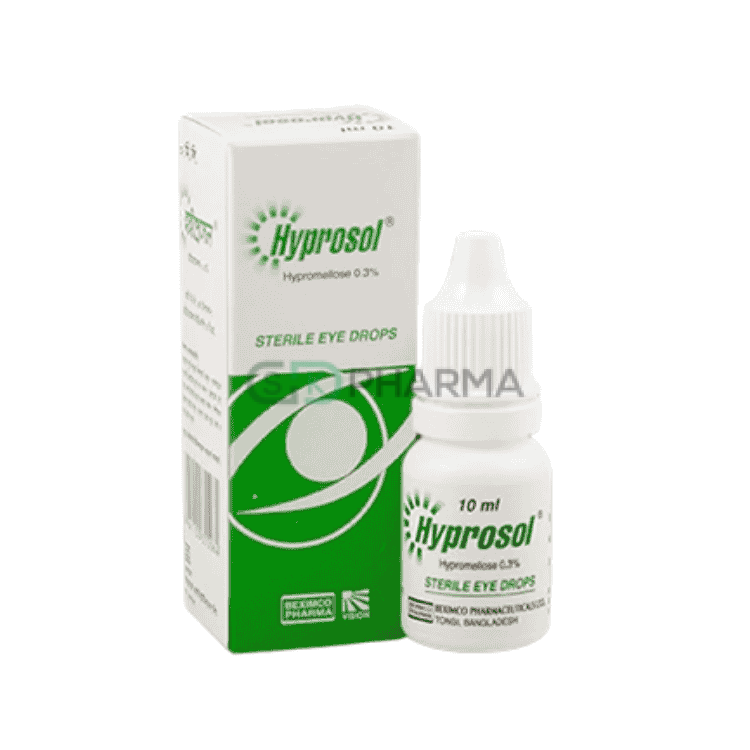
Hyprosol Eye Drop 0.30% (Hypromellose)
![Acme's ORS Powder 10.25 gm (Oral rehydration salt [glucose based])](https://mail.skpharma.com.bd/public/uploads/all/11NYXRLOJqCnWaYk1svAe0X2BVCz2h8RzQVSgs50.png)
Roxyzin Tablet 25 mg (Hydroxyzine Hydrochloride)

Temixil Tablet 10 mg (Temazepam)
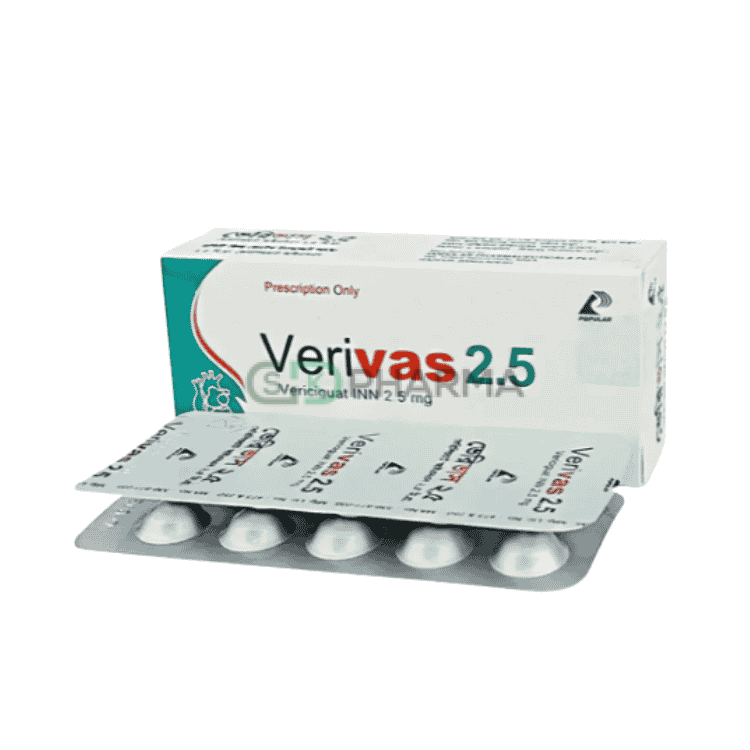
Verivas Tablet 2.5 mg (Vericiguat)
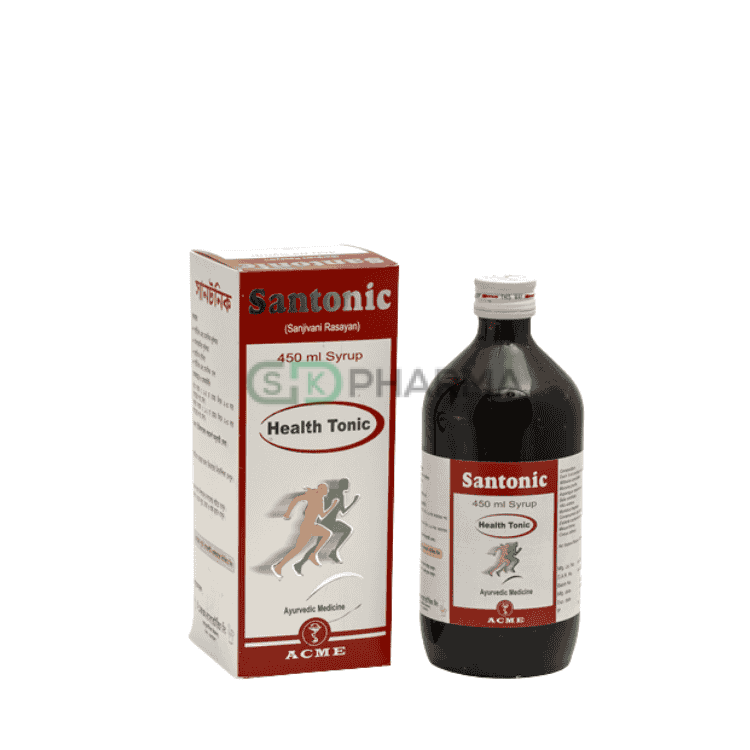
Santonic Syrup (Sanjivani Rasayan)
Product Queries (0)
Login Or Registerto submit your questions to seller
Other Questions
No none asked to seller yet
-
৳5.64
৳6.00 -
৳8.46
৳9.00 -
৳32.90
৳35.00 -
৳9.26
৳10.07


