


Reumafen Suspension 100 mg/5 ml (Ibuprofen (Oral))
-
 ৳5.64
৳5.64৳6.00 -
৳8.46
৳9.00 -
৳32.90
৳35.00 -
৳9.26
৳10.07


Reviews & Ratings
Reumafen 100 mg/5 ml is a versatile non-steroidal anti-inflammatory drug (NSAID) available in both oral and topical formulations. It is designed to relieve pain, reduce inflammation, and lower fever in a variety of musculoskeletal, rheumatologic, and soft tissue conditions. The oral suspension is ideal for systemic management of inflammatory disorders, while the topical gel provides targeted relief in localized musculoskeletal pain and joint inflammation.
Reumafen works by inhibiting cyclooxygenase (COX) enzymes, which decreases the synthesis of prostaglandins responsible for pain, swelling, and fever. Its anti-inflammatory, analgesic, and antipyretic effects make it effective in conditions ranging from arthritis and low back pain to dysmenorrhea and migraine.
রেজিস্টার্ড চিকিৎসকের পরামর্শ অনুযায়ী ঔষধ সেবন করুন
Therapeutic Class
-
Drugs for Osteoarthritis
-
Drugs used for Rheumatoid Arthritis
-
Non-steroidal Anti-inflammatory Drugs (NSAIDs)
Indications
Oral Suspension:
-
Rheumatoid arthritis, osteoarthritis, gouty arthritis
-
Juvenile polyarthritis and ankylosing spondylitis
-
Synovitis, low back pain, soft tissue injuries
-
Dysmenorrhea, fever, migraine
-
Pain and inflammation of dental or musculoskeletal origin
Topical Gel (5%):
-
Musculoskeletal pain, rheumatic and muscular pain
-
Sprains, strains, and sports injuries
-
Non-serious arthritic conditions and neuralgia
Pharmacology
Reumafen is a non-selective COX inhibitor, reducing prostaglandin production through the arachidonic acid pathway. Inhibition of COX-2 provides relief from inflammation and pain, while COX-1 inhibition can contribute to gastrointestinal side effects. The drug exists as a racemic mixture, with the S-enantiomer being the more pharmacologically active form. Its central and peripheral effects provide rapid analgesic action, reduce stiffness, and improve joint mobility in arthritic conditions.
Mode of Action
-
Peripheral Action: Reduces prostaglandin-mediated inflammation and pain in tissues
-
Central Action: Modulates pain perception pathways in the nervous system
-
Analgesic & Anti-inflammatory: Quickly relieves pain, swelling, and stiffness
Dosage and Administration
Oral Administration:
-
Children: 20 mg/kg/day in divided doses (max 500 mg/day for <30 kg)
-
1–2 years: ½ tsp (2.5 ml) 3–4 times daily
-
3–7 years: 1 tsp (5 ml) 3–4 times daily
-
8–12 years: 2 tsp (10 ml) 3–4 times daily
-
-
Adults: 400 mg 3–4 times daily, up to 2.4 g/day depending on severity
Topical Gel:
-
Apply 4–10 cm of gel (equivalent to 50–125 mg) to affected area 3–4 times daily
-
Massage until absorbed; do not apply on broken skin, genital area, or near eyes
General Guidelines:
-
Take oral doses with food or milk to reduce gastrointestinal irritation
-
Monitor for response and adjust dosage as needed
Drug Interactions
-
Warfarin, corticosteroids, SSRIs, aspirin: Increased risk of gastrointestinal bleeding
-
Diuretics: May reduce natriuretic effect
-
ACE inhibitors/ARBs: May reduce antihypertensive effect
-
Lithium and methotrexate: Increased toxicity risk
-
Ciclosporin and tacrolimus: Increased nephrotoxicity
Contraindications
-
Hypersensitivity to Reumafen or other NSAIDs
-
Severe or active peptic ulceration
-
Pregnancy and lactation (unless benefits outweigh risks)
Side Effects
-
Common: Nausea, vomiting, heartburn, upset stomach
-
Rare: Gastrointestinal bleeding, allergic reactions, liver enzyme abnormalities
Precautions & Warnings
-
Use the lowest effective dose for patients with a history of GI hemorrhage or ulcer
-
Regular ocular monitoring may be required in long-term therapy
-
Caution in asthma, systemic lupus erythematosus, or hypersensitivity to other NSAIDs
Overdose
-
Symptomatic management: Gastric lavage and correction of electrolyte imbalance
-
No specific antidote
Storage Conditions
Store in a cool, dry place protected from light. Keep out of reach of children.
Related Products

Utromeg Tablet 25 mg (Mirabegron)
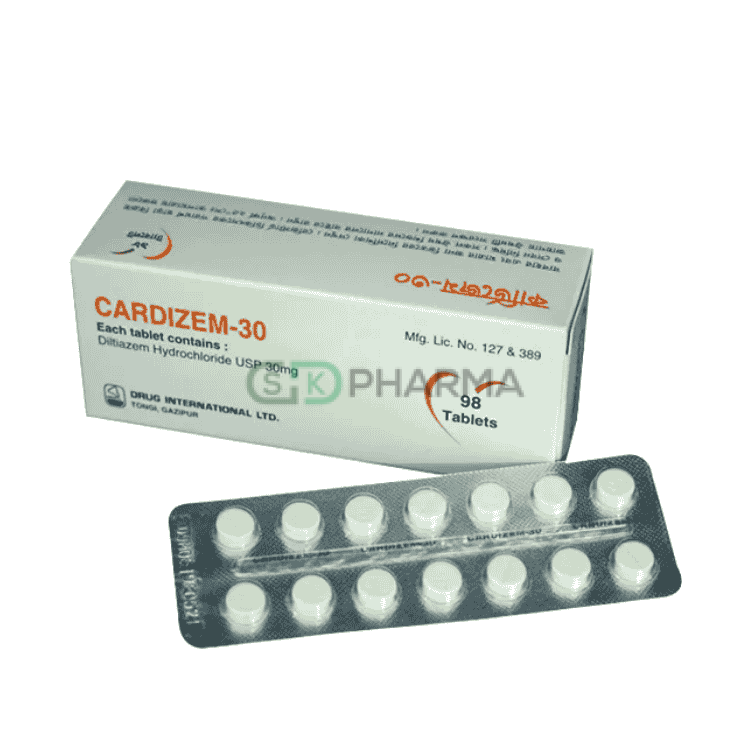
Cardizem Tablet 30 mg (Diltiazem Hydrochloride)
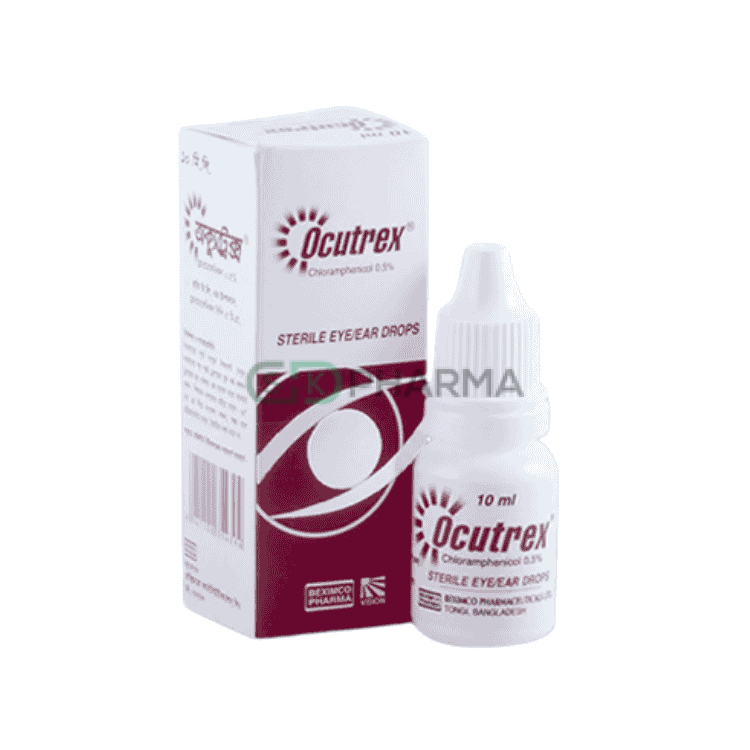
Ocutrex Eye Drop 0.50% (Chloramphenicol (Ophthalmic))

Paloxiron Injection 0.25 mg/5 ml (Palonosetron)
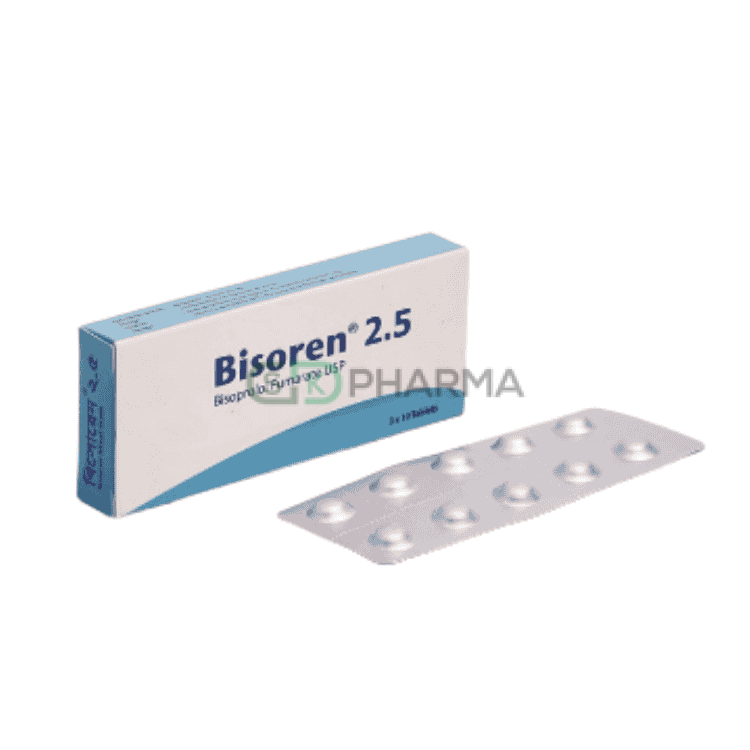
Bisoren Tablet 2.5 mg (Bisoprolol Fumarate)
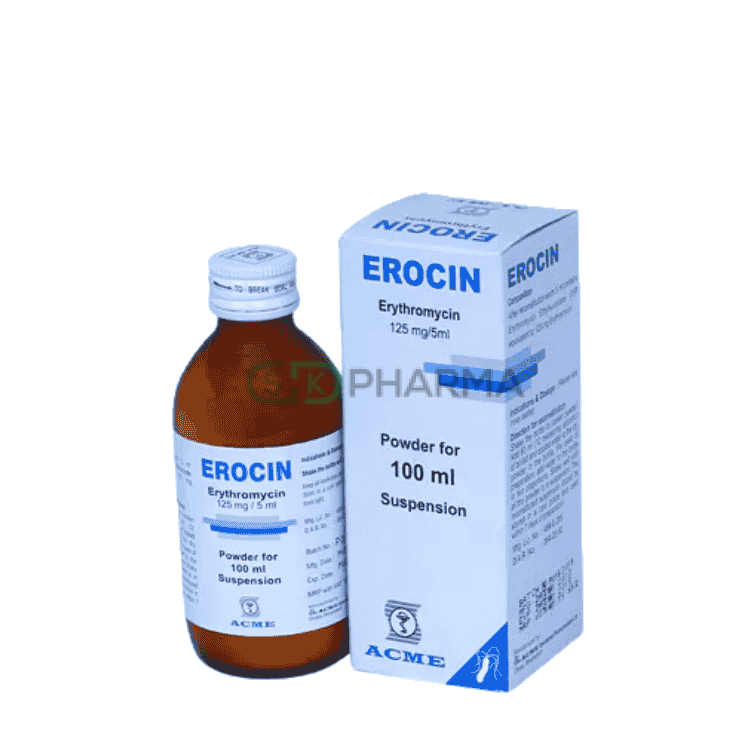
Erocin Suspension 125 mg/5 ml (Erythromycin (Oral))

Droslyn Tablet 4 mg (Drospirenone)
Mitaprex Tablet 30 mg (Mirtazapine)

Admira MR Tablet (Modified Release) 60 mg (Gliclazide)
Coziflex Capsule 40 mg (Undenatured Type II Collagen)
Product Queries (0)
Login Or Registerto submit your questions to seller
Other Questions
No none asked to seller yet
-
৳5.64
৳6.00 -
৳8.46
৳9.00 -
৳32.90
৳35.00 -
৳9.26
৳10.07


