


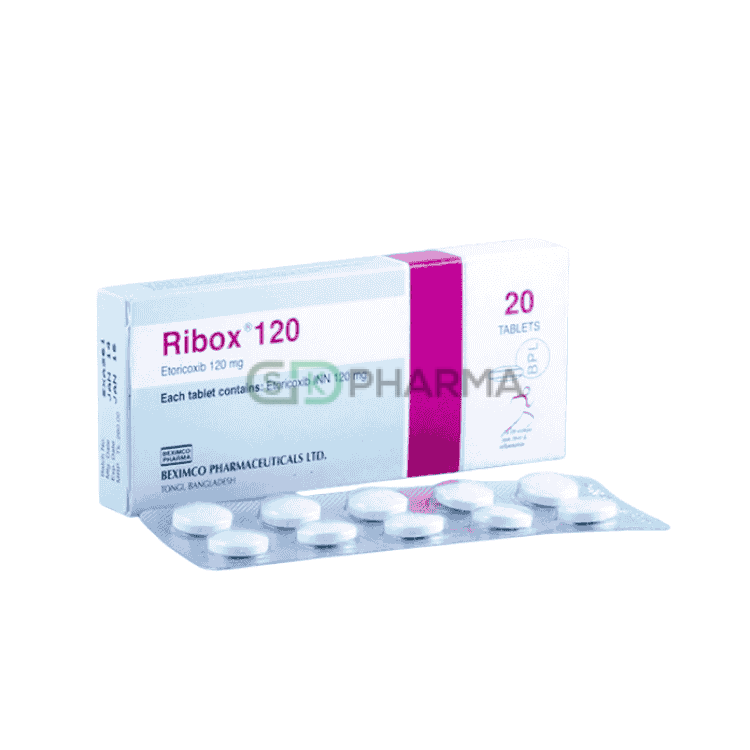
Ribox Tablet 120 mg (Etoricoxib)
-
 ৳5.64
৳5.64৳6.00 -
৳8.46
৳9.00 -
৳32.90
৳35.00 -
৳9.26
৳10.07


Reviews & Ratings
Ribox 120 mg is an oral non-steroidal anti-inflammatory drug (NSAID) designed for the management of pain, inflammation, and related symptoms in various musculoskeletal and inflammatory disorders. It is a selective cyclooxygenase-2 (COX-2) inhibitor, offering anti-inflammatory, analgesic, and antipyretic effects with a reduced risk of gastrointestinal toxicity compared to non-selective NSAIDs.
রেজিস্টার্ড চিকিৎসকের পরামর্শ অনুযায়ী ঔষধ সেবন করুন
Therapeutic Class
-
Non-steroidal Anti-inflammatory Drugs (NSAIDs)
-
COX-2 Selective Inhibitor
Indications
Ribox 120 mg is indicated for symptomatic relief and management of conditions associated with pain and inflammation, including:
-
Osteoarthritis (OA): Relieves joint pain, stiffness, and inflammation.
-
Rheumatoid Arthritis (RA): Reduces pain, swelling, and inflammation in joints.
-
Ankylosing Spondylitis: Helps manage chronic spinal inflammation and stiffness.
-
Acute Gouty Arthritis: Eases pain and inflammation during flare-ups.
-
Dental Surgery Pain: Provides short-term relief of moderate post-operative pain.
Pharmacology & Mode of Action
Ribox 120 mg selectively inhibits COX-2, the enzyme primarily responsible for producing prostanoids that mediate pain, inflammation, and fever. Unlike non-selective NSAIDs, Ribox has minimal inhibition of COX-1, reducing gastrointestinal adverse effects and avoiding significant effects on platelet aggregation.
-
Analgesic: Reduces pain by lowering prostaglandin synthesis at sites of inflammation.
-
Anti-inflammatory: Alleviates swelling and joint stiffness by targeting inflammatory pathways.
-
Antipyretic: Lowers fever through central and peripheral prostaglandin suppression.
Dosage & Administration
Adults and Adolescents (≥16 years):
-
Osteoarthritis: 30 mg once daily, may increase to 60 mg if needed.
-
Rheumatoid Arthritis / Ankylosing Spondylitis: 90 mg once daily.
-
Acute Gouty Arthritis: 120 mg once daily (typically up to 8 days).
-
Postoperative Dental Pain: 90 mg once daily for up to 3 days.
-
Administration: Oral, with or without food. Use the lowest effective dose for the shortest duration to minimize cardiovascular and gastrointestinal risks.
Drug Interactions
-
Oral anticoagulants (e.g., warfarin): May increase prothrombin time; monitor closely.
-
Diuretics, ACE inhibitors, ARBs: NSAIDs may reduce antihypertensive efficacy.
-
Aspirin: Low-dose aspirin may be co-administered for cardiovascular prophylaxis.
-
Ciclosporin / Tacrolimus: Increased risk of nephrotoxicity.
-
Lithium: May increase plasma lithium levels.
Contraindications
-
Hypersensitivity to Ribox or excipients
-
Active peptic ulcer or GI bleeding
-
Severe hepatic or renal impairment
-
Children <16 years
-
Pregnancy and lactation
-
History of cardiovascular disease, uncontrolled hypertension, or congestive heart failure
-
Inflammatory bowel disease
Side Effects
Common and less common adverse effects include:
-
Palpitations, fatigue, dizziness, nausea, and diarrhea
-
Influenza-like symptoms, flushing, dry mouth
-
Rare: Confusion, hallucinations, atrial fibrillation, transient ischemic attack
Precautions & Warnings
-
Gastrointestinal Risk: Elderly and patients with history of ulcers should use caution.
-
Cardiovascular Risk: Monitor patients with hypertension, hyperlipidemia, diabetes, or prior cardiac events.
-
Renal & Hepatic Monitoring: Assess function periodically, especially in patients with pre-existing conditions.
-
Hypersensitivity: Discontinue at first sign of rash or mucosal lesions.
Pregnancy & Lactation
-
Pregnancy: Avoid, especially in the third trimester due to risk of premature ductus arteriosus closure.
-
Lactation: Not recommended; Ribox is excreted in breast milk.
Overdose
-
Supportive therapy is recommended.
-
Single doses up to 500 mg and repeated doses up to 150 mg/day for 21 days have not shown significant toxicity.
Storage Conditions
-
Store below 30°C, protected from light and moisture.
-
Keep out of reach of children.
Related Products

Xamic Tablet 650 mg (Tranexamic Acid)


Baricent Tablet 2 mg (Baricitinib)
Hemorise Injection 100 mg/2 ml (Ferric Carboxymaltose)
Reset Pediatric Drop 80 mg/ml (Paracetamol)

Zadifen Syrup 1 mg/5 ml (Ketotifen Fumarate (Oral))

Vercef Pediatric Drop 20 mg/ml (Cefpodoxime Proxetil)

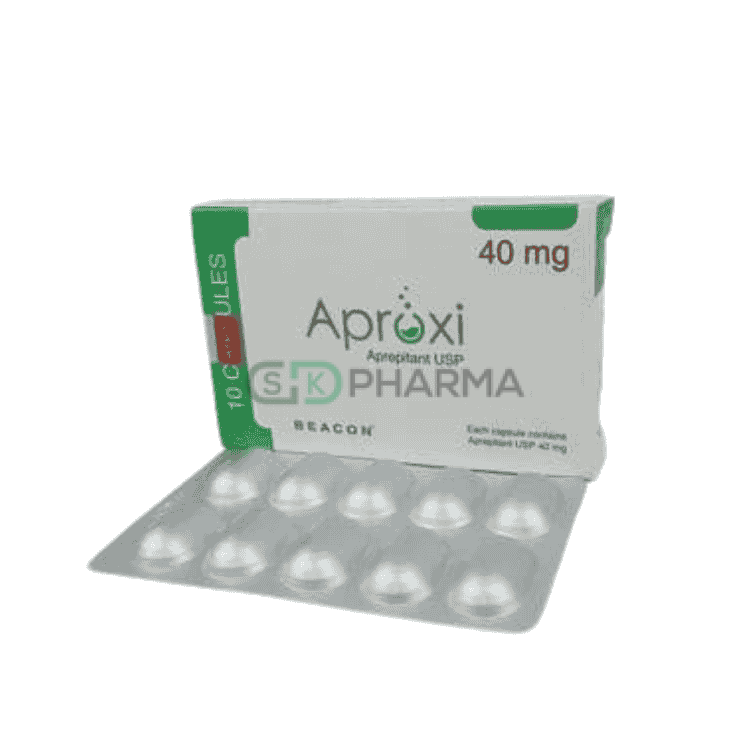
Aproxi Capsule 40 mg (Aprepitant)
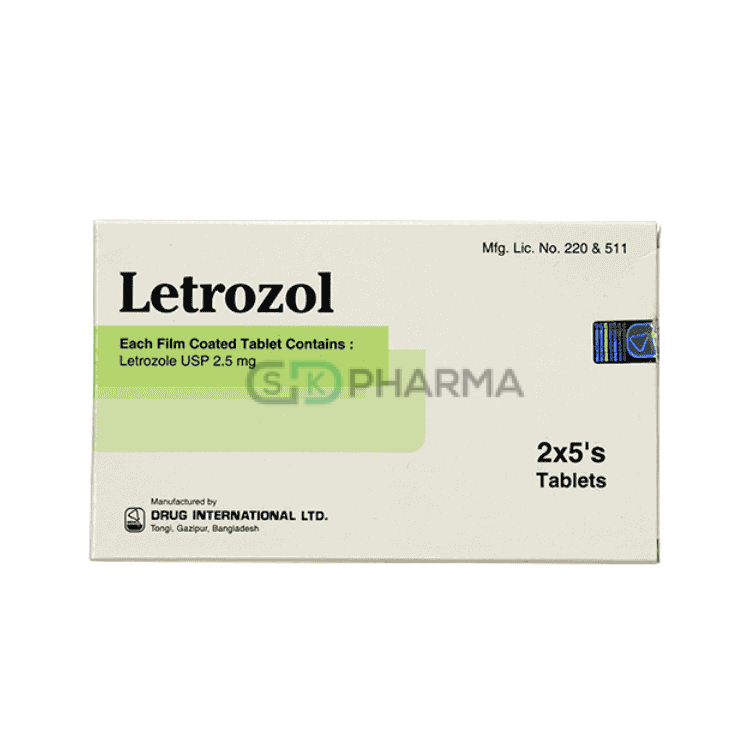
Letrozol Tablet 2.5 mg (Letrozole)
Product Queries (0)
Login Or Registerto submit your questions to seller
Other Questions
No none asked to seller yet
-
৳5.64
৳6.00 -
৳8.46
৳9.00 -
৳32.90
৳35.00 -
৳9.26
৳10.07


