


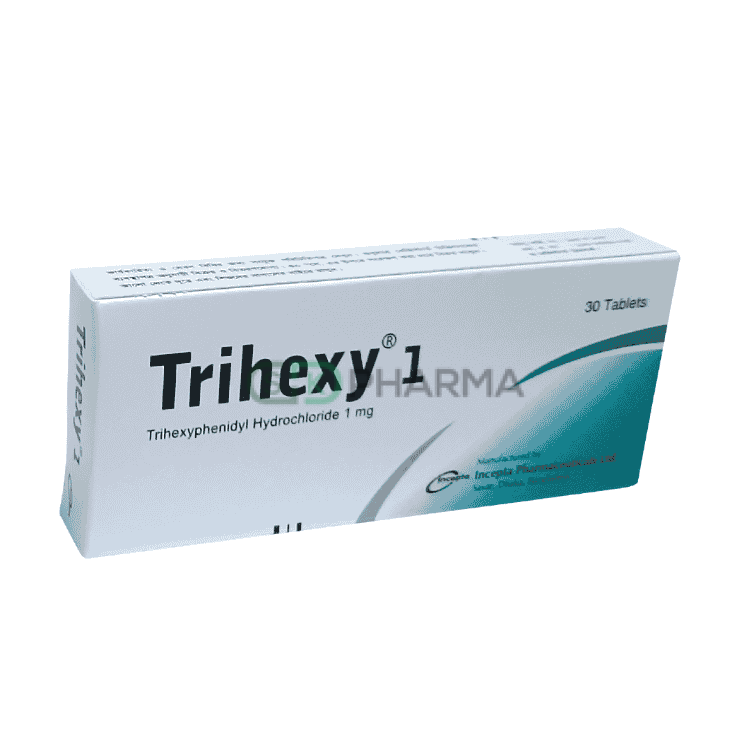
Trihexy Tablet 1 mg (Trihexyphenidyl Hydrochloride)
-
 ৳5.64
৳5.64৳6.00 -
৳8.46
৳9.00 -
৳32.90
৳35.00 -
৳9.26
৳10.07


Reviews & Ratings
Trihexy Tablet 1 mg contains Trihexyphenidyl Hydrochloride, an anticholinergic agent primarily used in the management of Parkinson’s disease and drug-induced extrapyramidal symptoms. This medication helps restore the balance between acetylcholine and dopamine in the central nervous system, reducing tremors, rigidity, and muscle stiffness commonly associated with Parkinsonism.
Trihexy Tablet 1 mg is suitable for adult patients, particularly in early-stage Parkinson’s disease or as adjunctive therapy in combination with other antiparkinsonian agents. It is also used to manage extrapyramidal side effects caused by certain antipsychotic drugs.
রেজিস্টার্ড চিকিৎসকের পরামর্শ অনুযায়ী ঔষধ সেবন করুন
Therapeutic Class
Anticholinergic agent
Indications
Trihexy Tablet 1 mg is indicated for:
-
Parkinson’s disease: Helps control tremor, rigidity, bradykinesia, and postural instability
-
Drug-induced extrapyramidal symptoms: Effective in reducing acute dystonic reactions and involuntary movements caused by antipsychotic medications
By modulating central cholinergic activity, Trihexyphenidyl improves motor function and overall patient mobility, enhancing daily living activities.
Pharmacology
Trihexyphenidyl Hydrochloride is a centrally acting antimuscarinic agent. It works by selectively inhibiting muscarinic acetylcholine receptors in the central nervous system. This inhibition decreases the overactivity of cholinergic neurons that contributes to the motor symptoms of Parkinson’s disease.
-
Absorption: Rapidly absorbed from the gastrointestinal tract following oral administration
-
Distribution: Widely distributed, including penetration into the central nervous system
-
Metabolism and Excretion: Metabolized in the liver and excreted mainly via urine
The pharmacological effect is a reduction in tremor and rigidity, with minimal impact on bradykinesia in some patients.
Mode of Action
-
Blocks central muscarinic receptors
-
Reduces cholinergic overactivity in the basal ganglia
-
Restores functional balance between acetylcholine and dopamine
-
Improves motor control and reduces Parkinsonian symptoms
Dosage and Administration
The dosage of Trihexy Tablet 1 mg should be individualized according to patient response, age, and severity of symptoms.
Adults:
-
Initial dose: 1 mg once or twice daily
-
Maintenance dose: Typically 2–10 mg daily, divided into 2–3 doses
-
Maximum daily dose: 15 mg, depending on clinical response and tolerance
Elderly Patients:
-
Initiate therapy at the lowest possible dose due to increased sensitivity and risk of anticholinergic side effects
Pediatric Use:
-
Safety and efficacy in children have not been established; therefore, use is generally limited to adult patients
Administration Instructions:
-
Take orally with or without food
-
Swallow the tablet whole with a glass of water
-
Do not exceed the prescribed dose, as higher doses increase the risk of side effects
Drug Interactions
Trihexyphenidyl may interact with:
-
Other anticholinergic drugs: May potentiate anticholinergic effects such as dry mouth, blurred vision, and urinary retention
-
Antihistamines, tricyclic antidepressants, or antipsychotics: Can enhance central nervous system effects and increase risk of cognitive impairment
-
Alcohol: May worsen drowsiness and dizziness
Contraindications
Trihexy Tablet 1 mg is contraindicated in patients with:
-
Known hypersensitivity to trihexyphenidyl or other anticholinergic agents
-
Narrow-angle glaucoma
-
Severe gastrointestinal obstruction or urinary retention
-
Myasthenia gravis or other conditions aggravated by anticholinergics
Side Effects
Common side effects are primarily anticholinergic in nature:
-
Dry mouth
-
Blurred vision
-
Constipation
-
Urinary retention
-
Dizziness or drowsiness
Less common side effects may include:
-
Confusion or hallucinations (particularly in elderly patients)
-
Tachycardia
-
Nausea
Side effects are usually dose-dependent, and reducing the dose often mitigates adverse reactions.
Precautions and Warnings
-
Use caution in elderly patients due to increased risk of cognitive impairment and falls
-
Monitor for signs of urinary retention or glaucoma worsening
-
Avoid abrupt discontinuation to prevent sudden worsening of symptoms
-
Use caution in patients with cardiovascular disease, prostatic hypertrophy, or intestinal obstruction
Pregnancy and Lactation
-
Safety during pregnancy has not been established; use only if the potential benefit outweighs the risk
-
Excretion in breast milk is unknown; nursing mothers should exercise caution
Storage Conditions
-
Store in a cool, dry place away from direct sunlight
-
Keep out of reach of children.
Related Products

REMMO Injection 40 mg/vial (Esomeprazole (MUPS preparation))
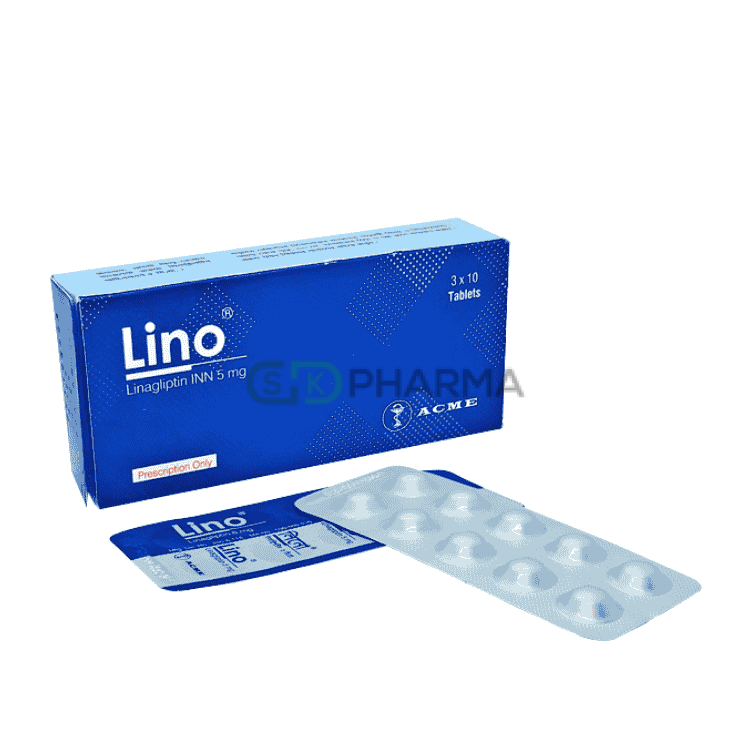
Lino Tablet 5 mg (Linagliptin)
![Atoz Senior Tablet (Multivitamin & Multimineral [A-Z silver preparation])](https://mail.skpharma.com.bd/public/uploads/all/8GikRjqylmNzXaMdH2rniuomZv2J4Tyc0L5jfKmS.png)

Dilast Tablet 20 mg (Torasemide)

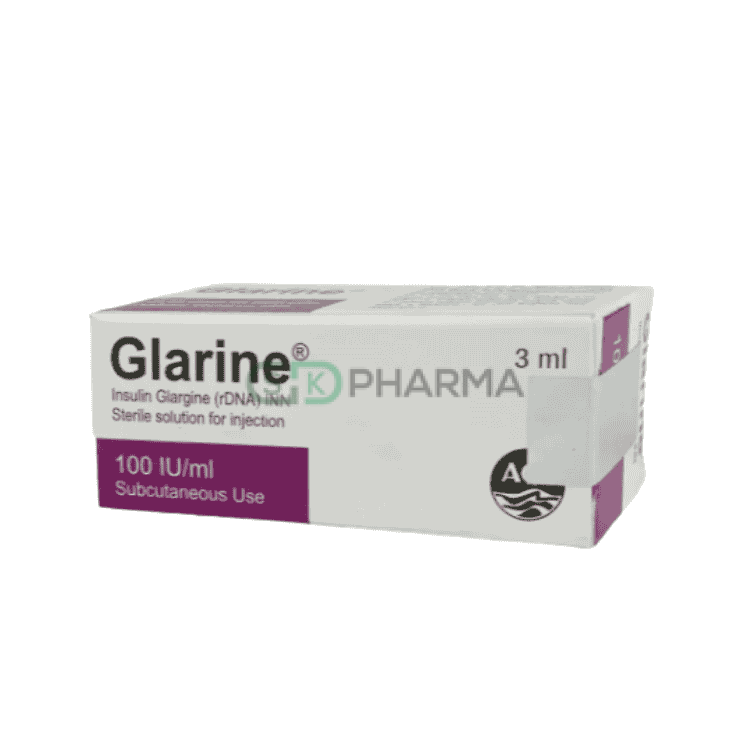
Glarine Injection 100 IU/ml (Insulin Glargine)

Afun Cream 1% (Clotrimazole)

Clinface Topical Gel 1.2%+0.025% (Clindamycin + Tretinoin)
Ace Injection 10 mg/ml (Paracetamol)
Product Queries (0)
Login Or Registerto submit your questions to seller
Other Questions
No none asked to seller yet
-
৳5.64
৳6.00 -
৳8.46
৳9.00 -
৳32.90
৳35.00 -
৳9.26
৳10.07


