


Triocim Capsule 400 mg (Cefixime Trihydrate)
-
 ৳5.64
৳5.64৳6.00 -
৳8.46
৳9.00 -
৳32.90
৳35.00 -
৳9.26
৳10.07


Reviews & Ratings
Triocim 400 mg is indicated for the treatment of the following infections when caused by susceptible organisms:
-
Upper Respiratory Tract Infections (URTI):
Including otitis media and other URTIs where the causative organism is known or suspected to be resistant to commonly used antibiotics, or where treatment failure may pose significant risk -
Lower Respiratory Tract Infections:
Such as bronchitis -
Urinary Tract Infections (UTI):
Including cystitis, cystourethritis, and pyelonephritis -
Uncomplicated cervical or urethral gonococcal infections
-
Typhoid fever (according to recommended dosage)
Clinical efficacy has been demonstrated against commonly occurring pathogens including Streptococcus pneumoniae, Streptococcus pyogenes, Escherichia coli, Proteus mirabilis, Klebsiella species, Haemophilus influenzae (beta-lactamase positive and negative), Moraxella catarrhalis, and Enterobacter species.
রেজিস্টার্ড চিকিৎসকের পরামর্শ অনুযায়ী ঔষধ সেবন করুন
Therapeutic Class
Third Generation Cephalosporins
Pharmacology
Cefixime is a third-generation semisynthetic cephalosporin antibiotic for oral administration. It acts by inhibiting bacterial cell wall synthesis, resulting in bactericidal activity at achievable plasma concentrations. Due to its high resistance to beta-lactamase enzymes, many organisms resistant to penicillins and some cephalosporins remain susceptible to Cefixime. Oral absorption is approximately 40–50% and is not significantly affected by food.
Dosage and Administration
-
Adults and children over 12 years:
200–400 mg daily, given as a single dose or in two divided doses
For uncomplicated cervical or urethral gonococcal infections: a single oral dose of 400 mg -
Children (6 months or older):
8 mg/kg/day as a single dose or in two divided doses
Approximate daily dosing guide:-
6–12 months: 75 mg
-
1–4 years: 100 mg
-
5–10 years: 200 mg
-
11–12 years: 300 mg
-
-
Typhoid fever:
10 mg/kg/day for 14 days -
Elderly:
Same dose as adults; renal function should be assessed -
Renal impairment:
In patients with creatinine clearance below 20 ml/min, the dose should not exceed 200 mg once daily
The usual course of treatment is 7 days and may be extended up to 14 days depending on infection severity.
রেজিস্টার্ড চিকিৎসকের পরামর্শ অনুযায়ী ঔষধ সেবন করুন
Drug Interactions
As with other cephalosporins, prolonged prothrombin time has been reported in some patients. Caution is advised when used concomitantly with anticoagulant therapy.
Contraindications
Triocim 400 mg is contraindicated in patients with known hypersensitivity to cephalosporin antibiotics.
Side Effects
Triocim 400 mg is generally well tolerated, and most adverse reactions are mild and self-limiting.
-
Gastrointestinal: Diarrhea, stool changes, nausea, abdominal pain, dyspepsia, vomiting, flatulence; rare cases of pseudomembranous colitis
-
Central Nervous System: Headache, dizziness
-
Hypersensitivity: Rash, pruritus, urticaria, drug fever, arthralgia
-
Hematological: Thrombocytopenia, leukopenia, eosinophilia (rare and reversible)
-
Others: Transient changes in liver and renal function tests, genital pruritus, vaginitis
Pregnancy and Lactation
There are no adequate and well-controlled studies in pregnant women. Triocim 400 mg should be used during pregnancy only if clearly needed. It is not known whether Cefixime is excreted in human milk; therefore, caution should be exercised when administered to nursing mothers.
Precautions and Warnings
-
Use cautiously in patients with a history of hypersensitivity to penicillins due to possible cross-reactivity
-
Discontinue immediately if allergic reactions occur
-
Administer with caution in patients with severe renal impairment
-
Prolonged use may lead to overgrowth of non-susceptible organisms, including Clostridium difficile
Overdose
There is no specific antidote for Cefixime overdose. Gastric lavage may be considered if necessary. Cefixime is not significantly removed by hemodialysis or peritoneal dialysis.
Storage Conditions
Store below 30°C, protected from light and moisture. Keep out of the reach of children.
Related Products

Coziflex Capsule 40 mg (Undenatured Type II Collagen)

PPI Capsule 20 mg (Omeprazole)
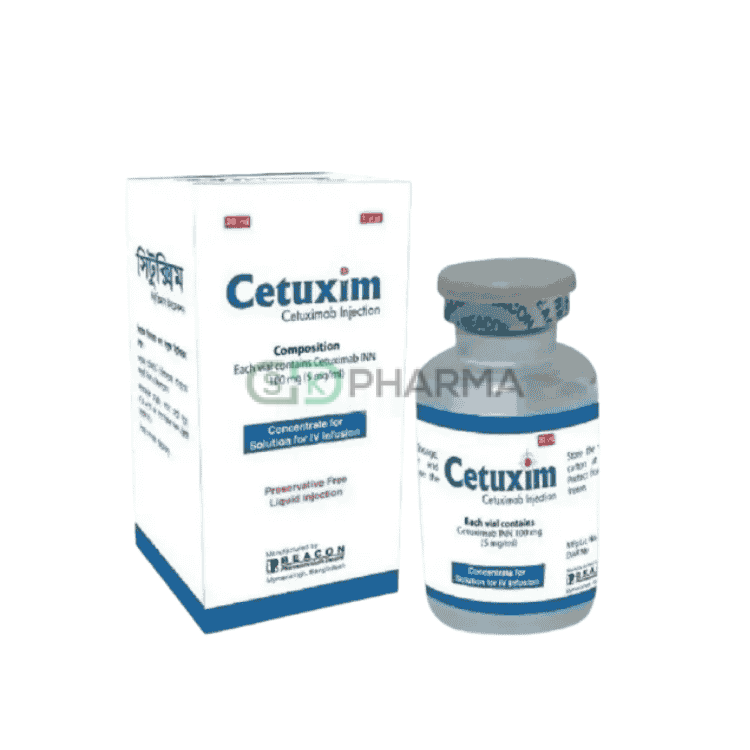
Cetuxim Injection 5 mg/ml (Cetuximab)
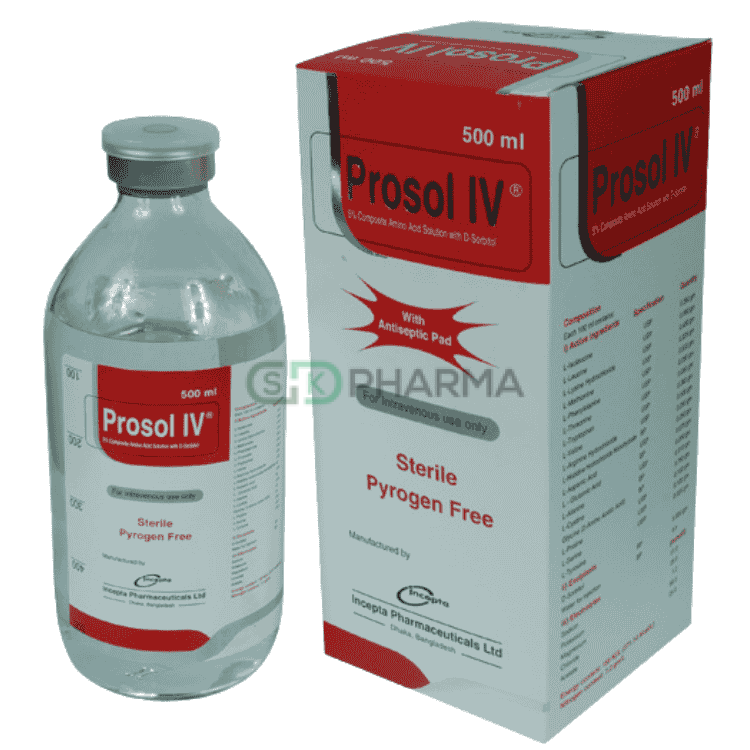
Prosol Injection 5% (Amino Acid, D-Sorbitol & Electrolytes)

Myolax Tablet 50 mg (Tolperisone Hydrochloride)

Eracef Injection 500 mg/vial IM (Ceftriaxone Sodium)
![UbiCare Capsule 150 mg (Coenzyme Q10 [Ubidecarenone])](https://mail.skpharma.com.bd/public/uploads/all/U2V6bkBE5EuIHIBqcxSYp3GSDQg639BxNNUXZ1Fw.png)
UbiCare Capsule 150 mg (Coenzyme Q10 [Ubidecarenone])
Product Queries (0)
Login Or Registerto submit your questions to seller
Other Questions
No none asked to seller yet
-
৳5.64
৳6.00 -
৳8.46
৳9.00 -
৳32.90
৳35.00 -
৳9.26
৳10.07


