


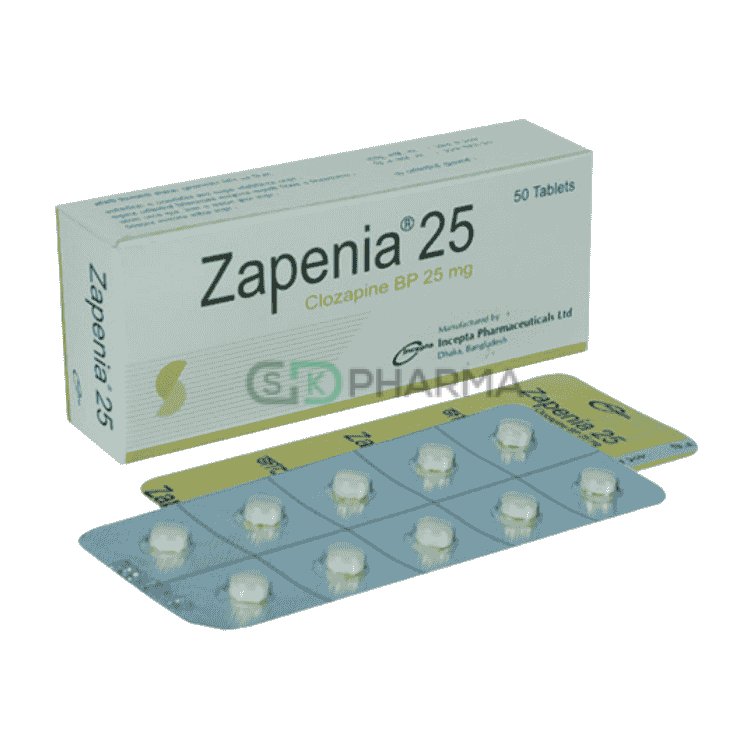
Zapenia Tablet 25 mg (Clozapine)
-
 ৳5.64
৳5.64৳6.00 -
৳8.46
৳9.00 -
৳32.90
৳35.00 -
৳9.26
৳10.07


Reviews & Ratings
Zapenia 25 mg is an atypical antipsychotic used for the management of psychiatric disorders, particularly schizophrenia and psychosis associated with Parkinson’s disease. It is a dibenzodiazepine derivative that offers a unique receptor-binding profile, resulting in effective antipsychotic activity with a lower risk of extrapyramidal side effects compared to conventional antipsychotics.
রেজিস্টার্ড চিকিৎসকের পরামর্শ অনুযায়ী ঔষধ সেবন করুন
Therapeutic Class
-
Atypical Neuroleptic Drugs
Pharmacology
Zapenia 25 mg exerts its effects by antagonizing multiple receptors:
-
Dopamine (D2, D4) receptors: Reduces psychotic symptoms
-
Serotonin (5-HT2A) receptors: Contributes to improved efficacy and reduced motor side effects
-
Alpha-adrenergic, histamine H1, cholinergic receptors: Modulates additional neurological and systemic effects
This combination of receptor activity helps improve mood, cognition, and behavior while minimizing motor disturbances commonly associated with typical antipsychotics.
Indications
Zapenia 25 mg is indicated for:
-
Schizophrenia in patients who are unresponsive to or intolerant of conventional antipsychotics
-
Psychosis in Parkinson’s disease
Dosage and Administration
Schizophrenia (Adults >16 years):
-
Day 1: 12.5 mg once or twice daily (elderly: 12.5 mg once)
-
Day 2: 25–50 mg daily
-
Gradually increase by 25–50 mg per day (elderly: max increment 25 mg/day) over 14–21 days
-
Usual maintenance: 200–450 mg daily in divided doses
-
Maximum: 900 mg daily
Psychosis in Parkinson’s Disease (Adults >16 years):
-
Start: 12.5 mg at bedtime
-
Increase by 12.5 mg twice weekly as tolerated
-
Usual dose: 25–37.5 mg at bedtime
-
Maximum: 50–100 mg daily
Directions for Use:
Swallow tablets whole with water. Do not crush or chew. Follow the prescribed schedule carefully. Abrupt discontinuation is not recommended; taper off gradually over 1–2 weeks under medical supervision.
রেজিস্টার্ড চিকিৎসকের পরামর্শ অনুযায়ী ঔষধ সেবন করুন
Drug Interactions
-
May interact with CNS-active drugs, alcohol, benzodiazepines, and other anticholinergic medications
-
Potential displacement of protein-bound drugs (e.g., warfarin, digoxin)
-
Avoid co-administration with adrenaline due to alpha-adrenergic blockade
-
Monitor for potentiated hypotensive effects with antihypertensives
Contraindications
-
Severe cardiac disorders, uncontrolled epilepsy, paralytic ileus
-
History of neutropenia, agranulocytosis, or bone marrow disorders
-
Alcoholic or toxic psychoses, coma, severe CNS depression
-
Pregnancy and breastfeeding caution
Side Effects
Common:
-
Constipation, dizziness, drowsiness, mild headache, nausea, increased salivation, weight gain
Less common:
-
Dry mouth, abdominal discomfort, heartburn
Serious Risks:
-
Agranulocytosis, myocarditis, cardiomyopathy, orthostatic hypotension, hyperglycemia, thromboembolism
Precautions and Warnings
-
Monitor WBC weekly during initial therapy and after discontinuation
-
Use caution in elderly patients and those with cardiovascular, hepatic, or renal disease
-
May impair cognitive or motor skills; avoid driving or operating machinery if affected
-
Monitor for signs of myocarditis, cardiomyopathy, or severe febrile reactions
Overdose
-
Symptoms: drowsiness, coma, hypotension, tachycardia, respiratory depression, seizures
-
Management: Maintain airway, oxygenation, supportive care, activated charcoal; avoid epinephrine for hypotension
-
No specific antidote; prolonged monitoring may be required
Storage
-
Store below 30°C, protected from light
-
Keep out of reach of children.
Related Products


Daclin T Topical Gel 1.2%+0.025% (Clindamycin + Tretinoin)
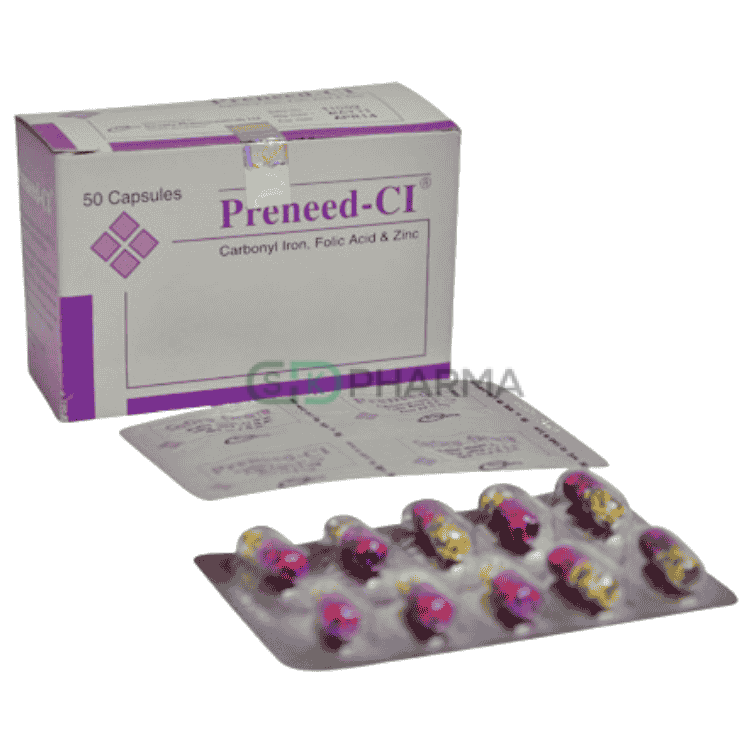

Heel Guard Cream 25% w/w (Urea (25%))
Denvar DS Suspension 200 mg/5 ml (Cefixime Trihydrate)
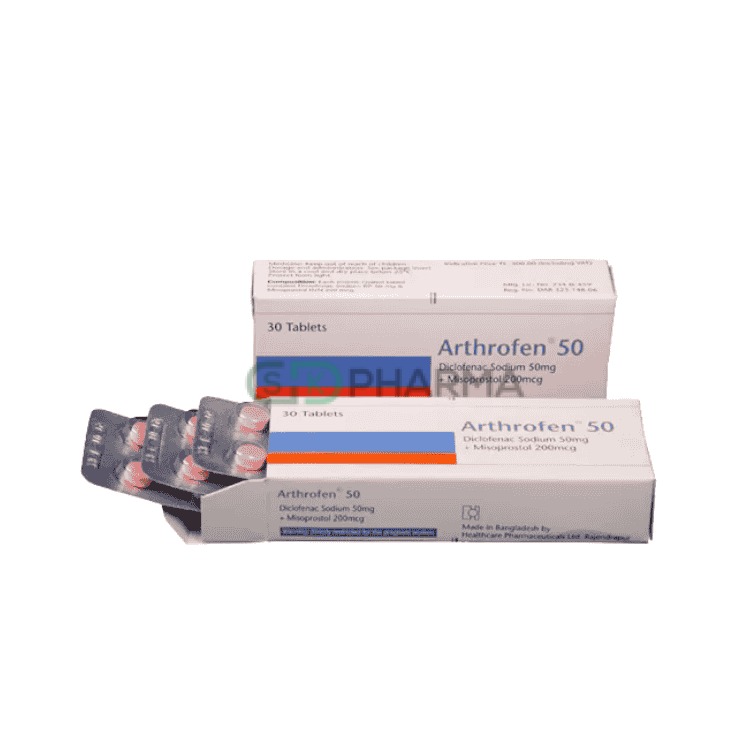
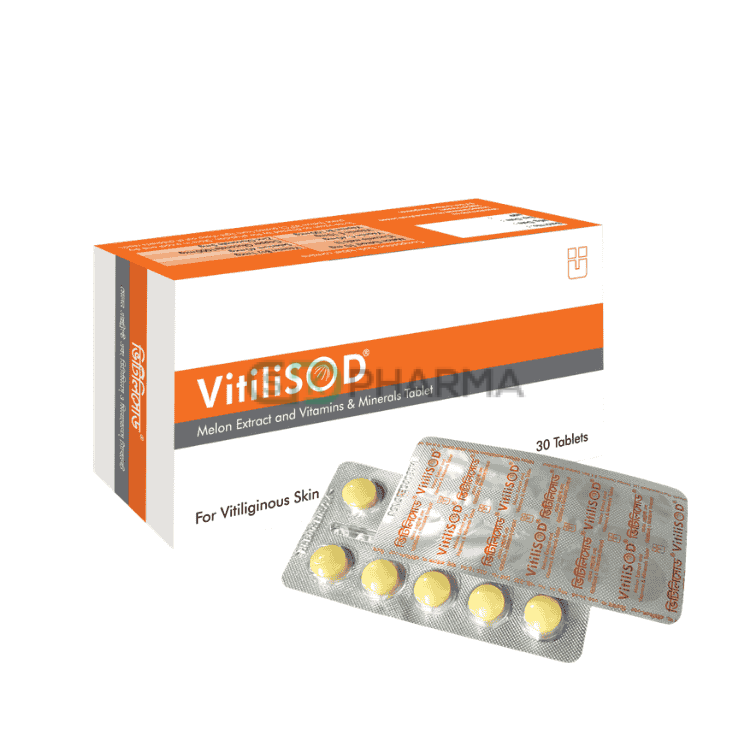
VitiliSOD Tablet (Melon extract, Vitamin & Minerals)

Prelin Capsule 50 mg (Pregabalin)
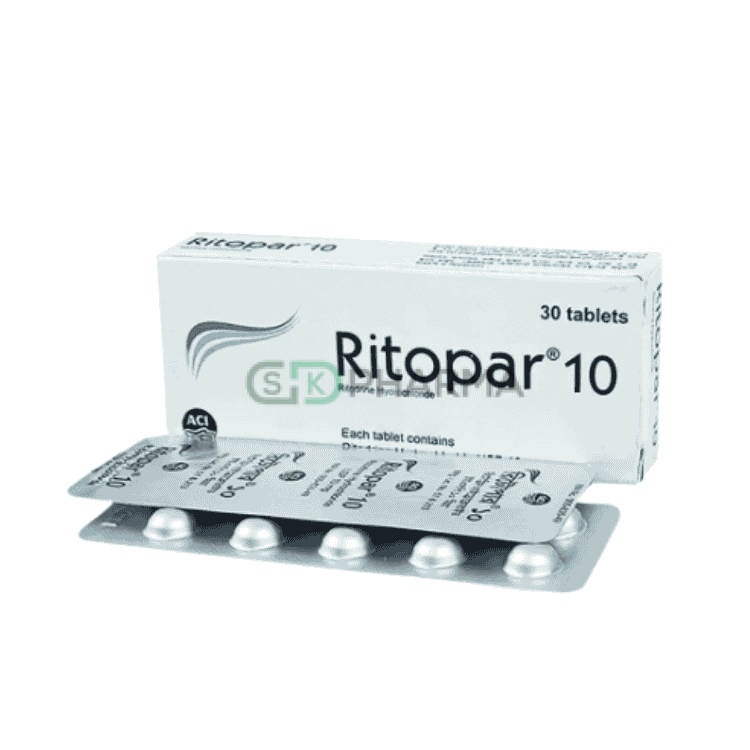
Ritopar Tablet 10 mg (Ritodrine Hydrochloride)

Camiton Tablet 5 mg (Vinpocetine)
Product Queries (0)
Login Or Registerto submit your questions to seller
Other Questions
No none asked to seller yet
-
৳5.64
৳6.00 -
৳8.46
৳9.00 -
৳32.90
৳35.00 -
৳9.26
৳10.07


